 280th Combat Engineers
Battalion
280th Combat Engineers
Battalion
1944 ~ 1945
Nicholas F. Duva
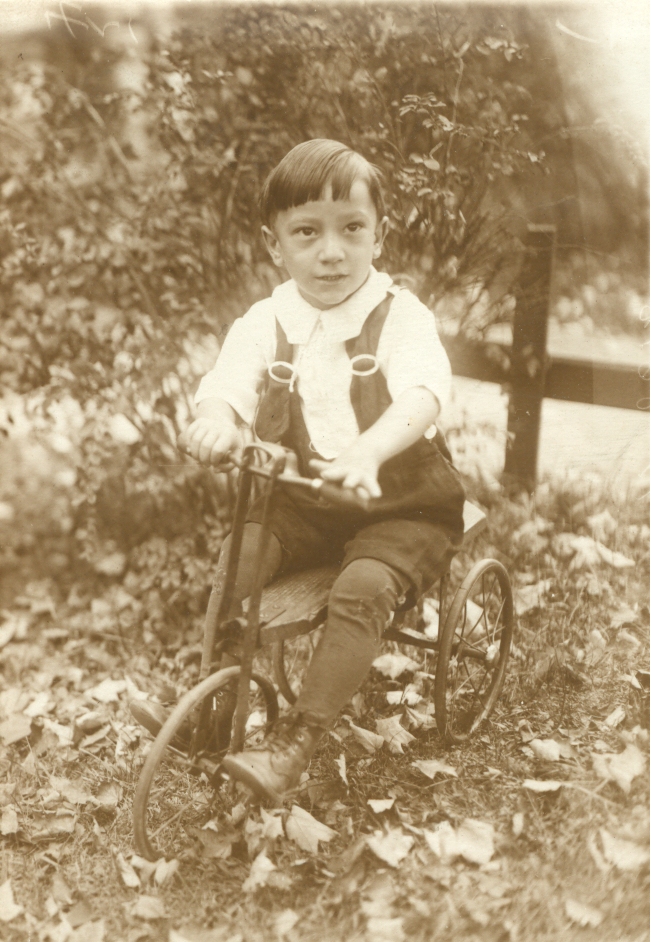

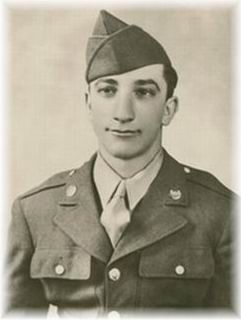
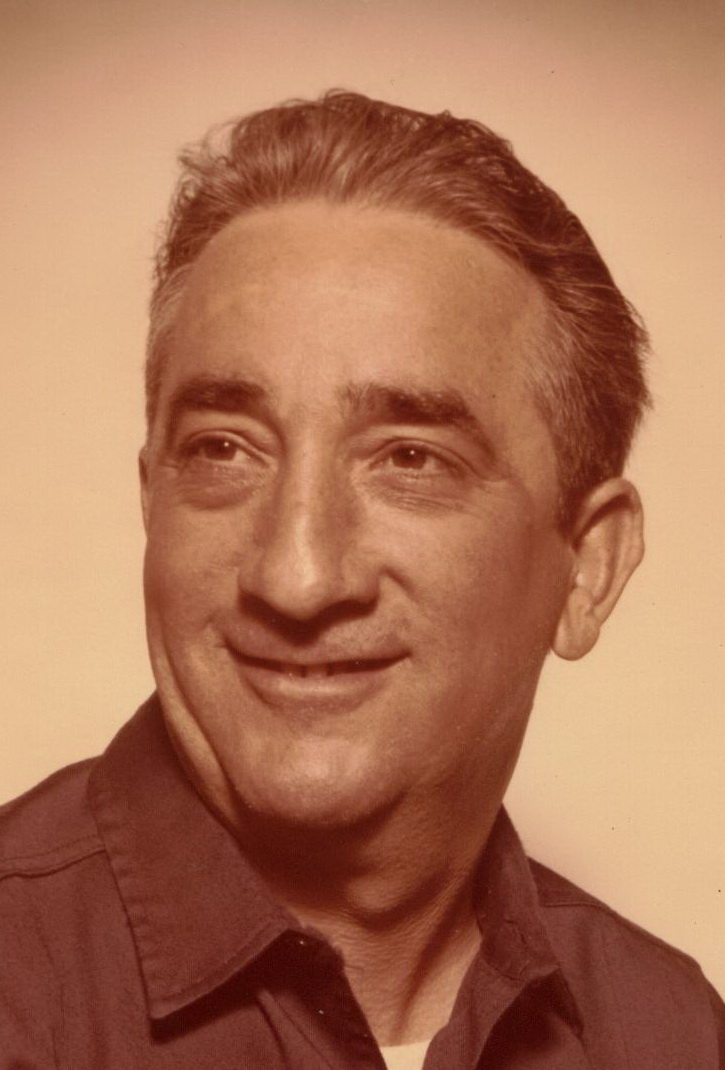

December 9, 1925 ~ February 11, 2010
 Please Click Here to View and Sign His Guestbook at Legacy.com
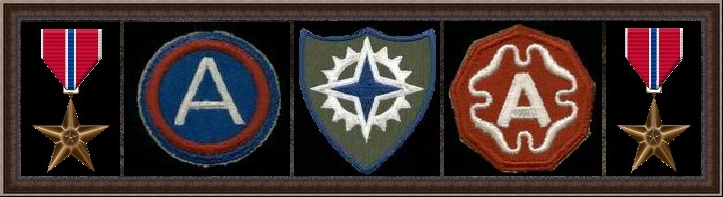

This site is dedicated to my father, one of many 280th Engineer Combat Battalion veterans who performed a vital role in WWII from 1944-1945. ALL combat veterans who served in the United States armed forces during WWII deserve the utmost credit and respect from all of us collectively as a grateful nation. Additionally, the world owes a debt of gratitude to these men and this country for stopping Hitler and the German Empire. As far as I am concerned, the men who lived and those who paid the supreme sacrifice, saved the world from an uncertain end. My dad is one of those men who today may not feel like a man who saved the day or even feel he deserves a pat on the back for his efforts as a young soldier in 1944-45. I for one would sure like him to know that every time I see him I am not just looking at a man, I am looking at a hero. I was blessed to have him as a father and proud to be his son, and thank him for helping to maintain the very freedom that so many take for granted.
Click on the eagle to view the men of the 280th


Click here to view the Photo Gallery of the 2008 September Reunion held in Peoria Illinois
BATTLE of the BULGE
December 16, 1944 to
January 25, 1945
Short History
On a wintery mid-December day in 1944, three powerful German armies plunged into
the semi-mountainous, heavily forested Ardennes region of eastern Belgium and
northern Luxembourg. Their goal was to reach the sea, trap four allied armies,
and impel a negotiated peace on the Western front.
Thinking the Ardennes was the least likely spot for a
German offensive, American Staff Commanders chose to keep the line thin, so that
the manpower might concentrate on offensives north and south of the Ardennes.
The American line was thinly held by three divisions and a part of a fourth,
while the fifth was making a local attack and a sixth was in reserve. Division
sectors were more than double the width of normal, defensive fronts.
Even though the German Offensive achieved total surprise, nowhere did the
American troops give ground without a fight. Within three days, the determined
American stand and the arrival of powerful reinforcements insured that the
ambitious German goal was far beyond reach.
In snow and sub-freezing temperatures the Germans fell short of their interim
objective - that of reaching the sprawling Meuse River on the fringe of the
Ardennes. All the Germans accomplished was to create a Bulge in the American
line. In the process they expended irreplaceable men, tanks and material. Four
weeks later, after grim fighting, with heavy losses on both the American and
German sides, the Bulge ceased to exist.
HISTORICAL FACTS
On
by
Hugh M. Cole
·
The coldest, snowiest weather “in memory” in the
·
Over a million men, 500,000 Germans, 600,000
Americans (more than fought at Gettysburg) and 55,000 British.
·
3 German armies, 10 corps, the equivalent of 29
divisions.
·
3 American armies, 6 corps, the equivalent of 31
divisions.
·
The equivalent of 3 British divisions as well as
contingents of Belgian, Canadian and French troops.
·
100,000 German casualties, killed, wounded or
captured.
·
81,000 American casualties, including 23,554
captured and 19,000 killed.
·
1,400 British casualties 200 killed.
·
800 tanks lost on each side, 1,000 German aircraft.
·
The Malmedy Massacre, where 86 American soldiers
were murdered. This was the worst atrocity
committed against American troops during the course of the war in Europe.
·
Here is a short fact that hammers home how
devastating the Battle of the Bulge was. The 106th Infantry Division, average
age of 22 years, suffered 564 killed in
action,
1,246 wounded and 7,001 missing in action at the end of the offensive.
Most of these casualties occurred within the first three days of battle,
when two of the division’s three regiments was forced to surrender.
·
In it's entirety, the “Battle
of the Bulge,” was the worst battles- in terms of
losses - to the American Forces in WWII.
Mail Call!
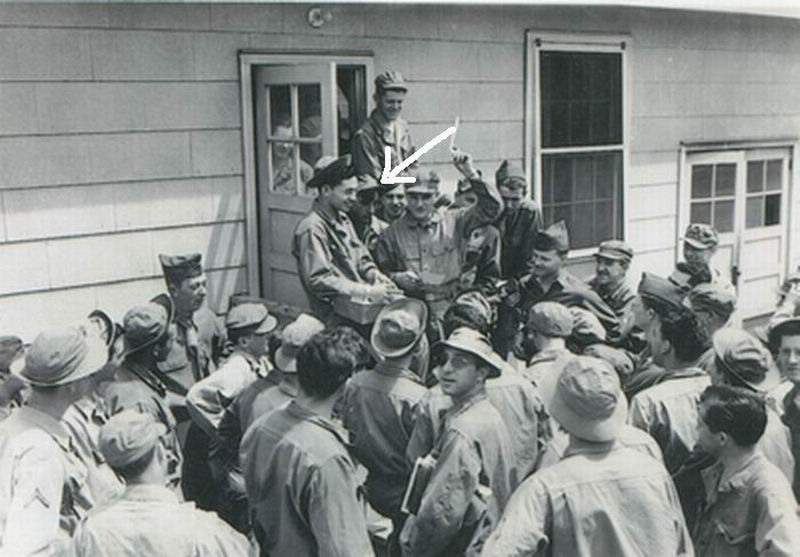
Bastille Day
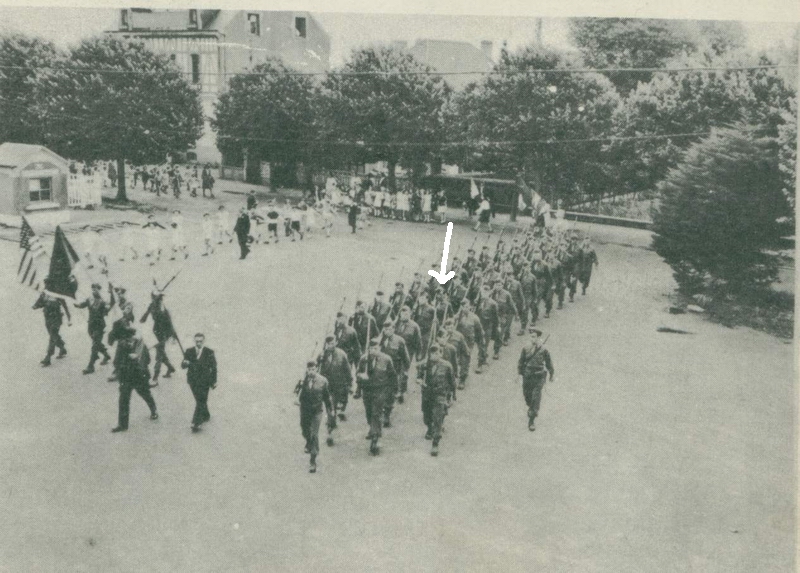
Outside the Barracks, Glastonbury England
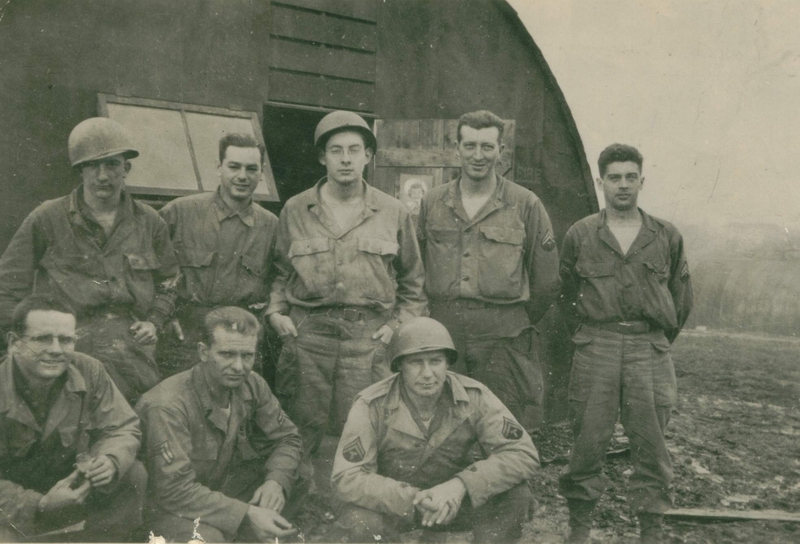
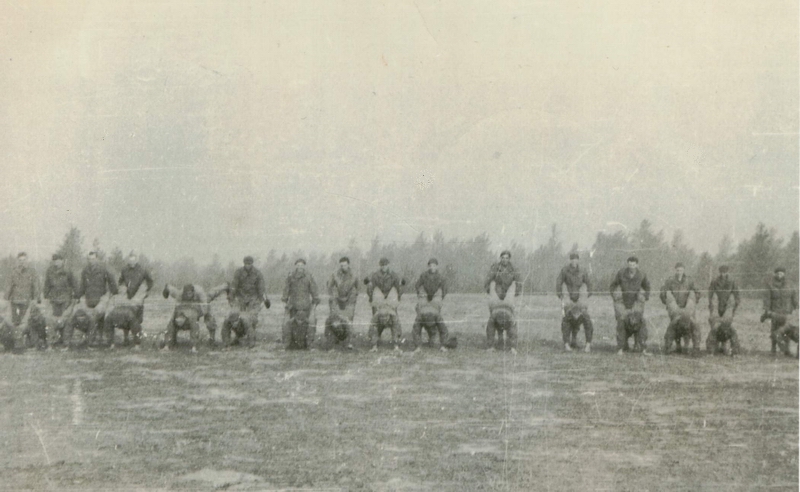
Entertainment when Logistics fail to pack Baseball gear!
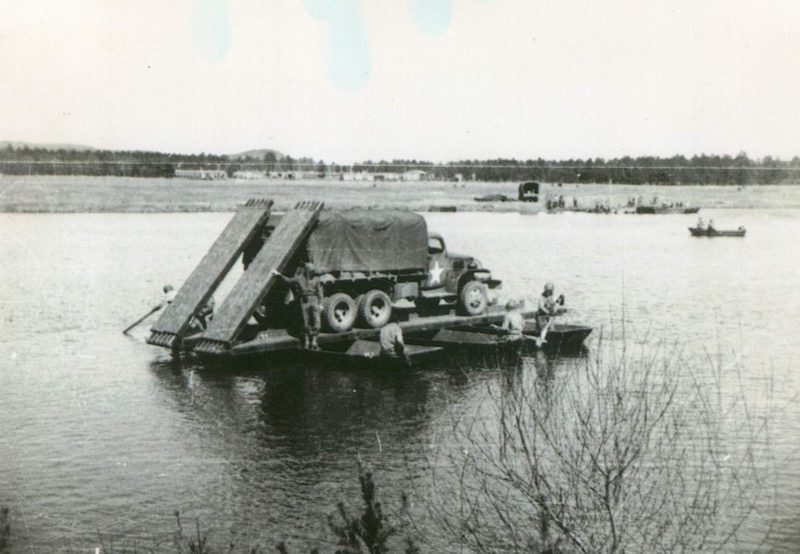
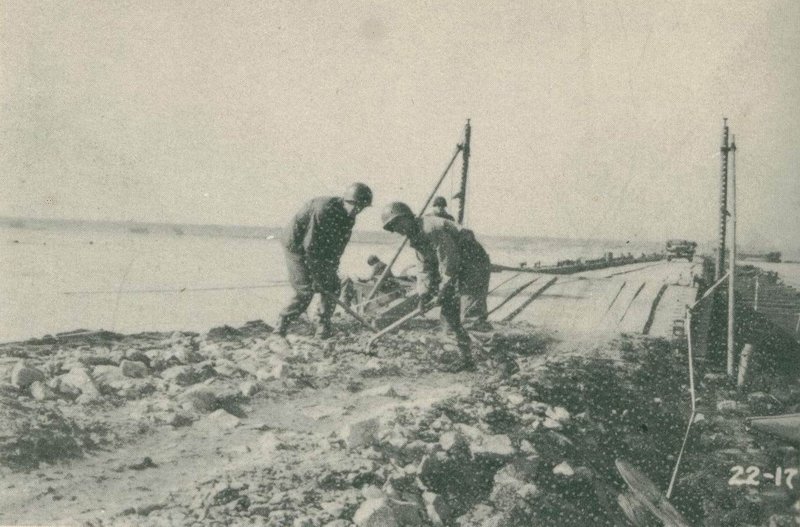
East side of the Rhine River, making the ramp ready for tanks
What the hell do we do with it now?